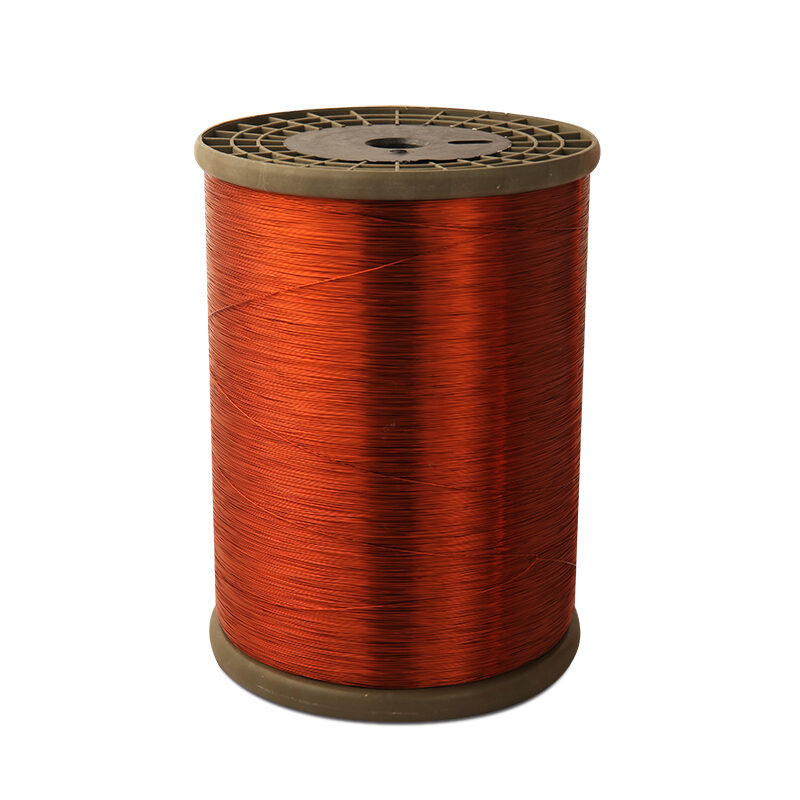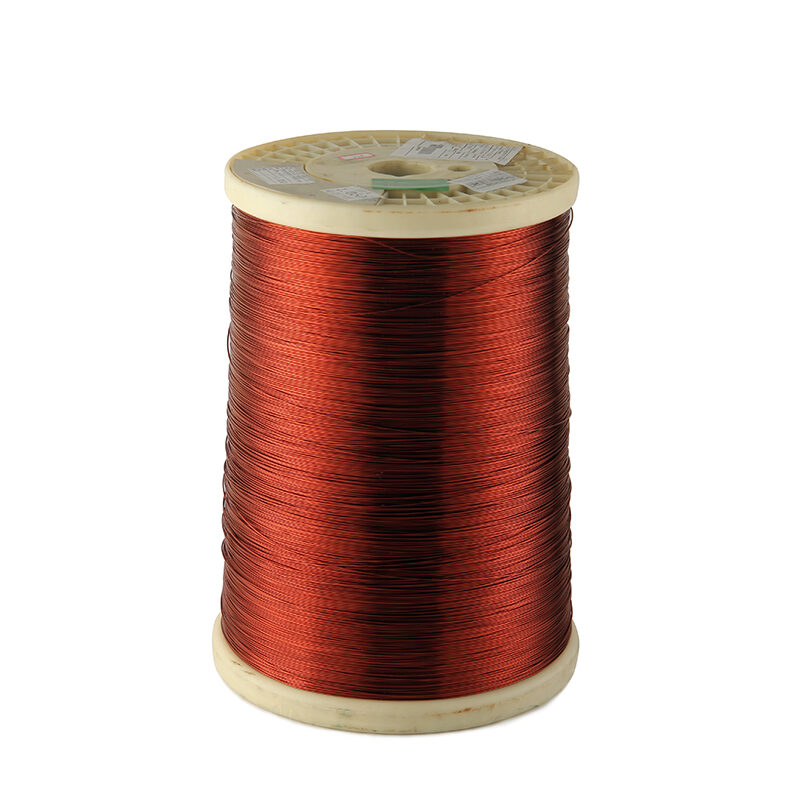
A customer evaluating CCA enamelled wire for inductor windings sent us thirteen questions covering feasibility, reliability and the verification path. Our technical centre answered each one in turn: a conclusion first, then the supporting explanation and data. The full response is available as a PDF at the end of this page.
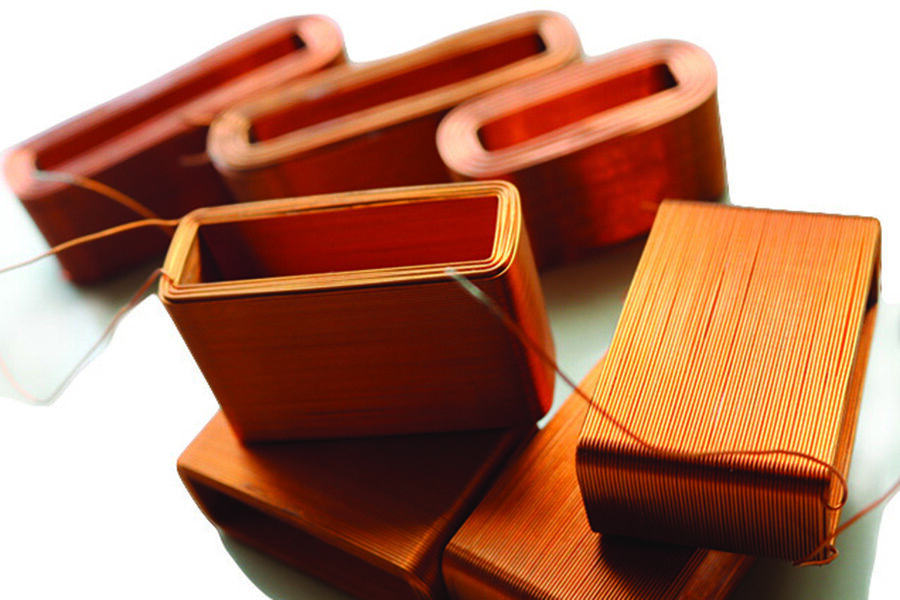
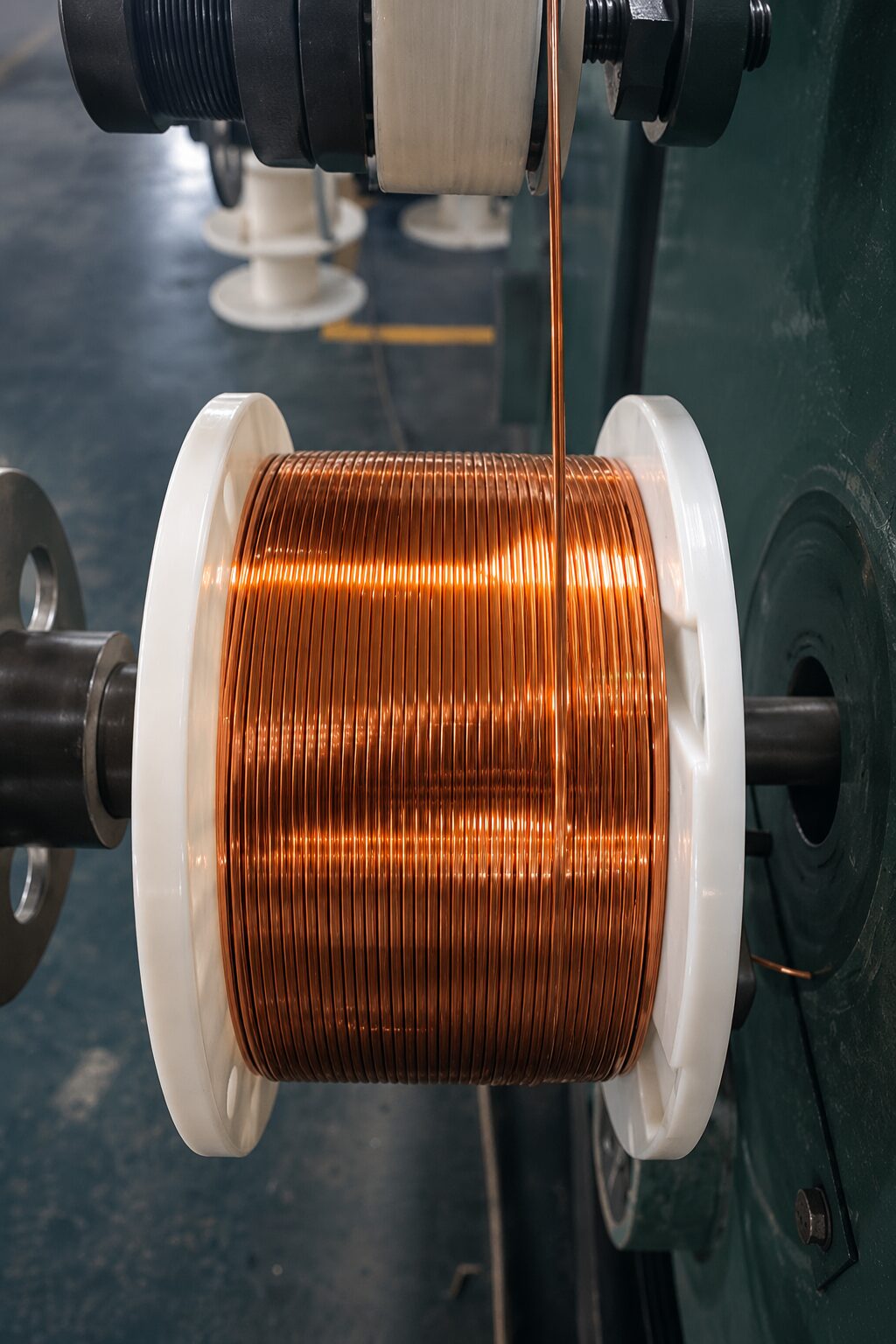
The short version: CCA enamelled wire is not an experimental substitution. It has been in volume production for inductor applications for more than fifteen years, in both round and rectangular profiles, and is one of the mainstream solutions for common-mode chokes, PFC chokes and PV/storage inverter inductors.
Against copper there are two substantive differences — mechanical strength and melting point. Both are process-fit issues that wire sizing, tension setting, bend radius and soldering practice can resolve; neither represents a lower reliability class. The real boundary is temperature: hold the long-term hot spot 15–20 °C below the thermal class and both insulation ageing and intermetallic growth at the copper-aluminium interface stay controlled.
Inductors are also fully inspectable once wound. Exposed aluminium, wire breakage, pinholes and dielectric failure all appear as visible or measurable defects, which is why the solution carries far lower risk in inductors than in motors or oil-immersed transformers.