Application
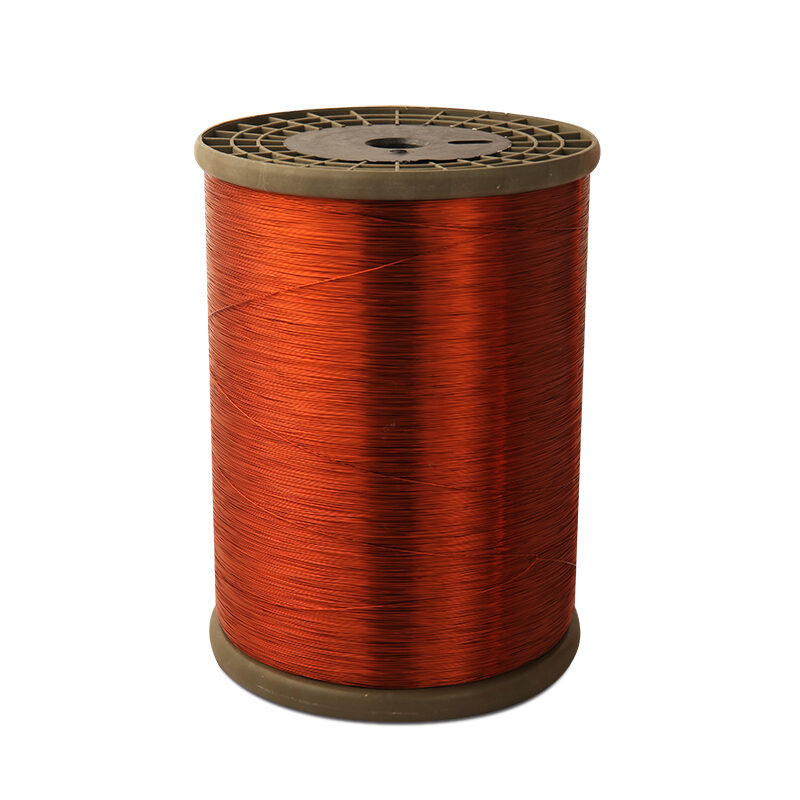
Enameled wire for transformer windings
Transformer windings fail on heat and on space. Enameled CCA lowers conductor weight and cost in distribution and instrument transformers; copper remains the choice where conductivity per volume decides the design. Both are enamelled on the same lines, so a design can be switched from one conductor to the other without changing the insulation system.
Why this wire
What the application actually needs.
- Class 155–220 systemsPolyester-imide and polyamide-imide composite enamels for continuous duty at high hotspot temperatures.
- Flat conductor for layer windingsFlat enameled CCA and copper improve fill factor in layer and foil-type windings.
- Consistent enamel buildIn-line diameter and pinhole control keeps layer-to-layer spacing predictable across a production run.
- Oil and varnish compatibleEnamel systems tested with transformer oil and impregnating varnish used by our customers.
Typical specification
| Typical conductor | CCA 10 / 15 / 20 % Cu · ETP copper · aluminium |
|---|---|
| Round diameter | 0.05 – 5.00 mm |
| Flat size | Thickness 0.20 – 3.00 mm · Width 1.00 – 12.00 mm |
| Temperature class | 130 / 155 / 180 / 200 / 220 °C |
| Enamel types | PEW, EIW, EI/AIW, AIW |
| Test standard | IEC 60317, NEMA MW 1000 |
Typical values. Final specification is confirmed on the quotation and the CoA.
Questions
Common questions from engineers.
Which grade is used for class 180 transformers?
Polyester-imide (EIW / QZY) round or flat wire, normally with a polyamide-imide top coat for class 200 where the hotspot runs higher. We confirm the build against your temperature-rise test.
Can you supply both copper and CCA for the same design?
Yes — that is the usual request. We quote both conductors with identical enamel systems so the customer can test cost and loss side by side.
Materials
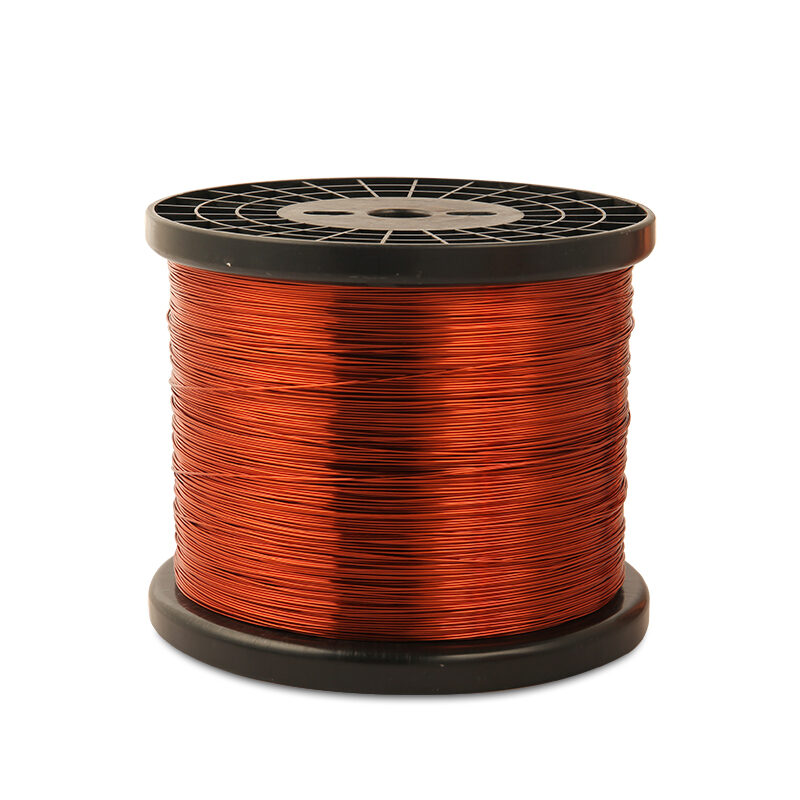
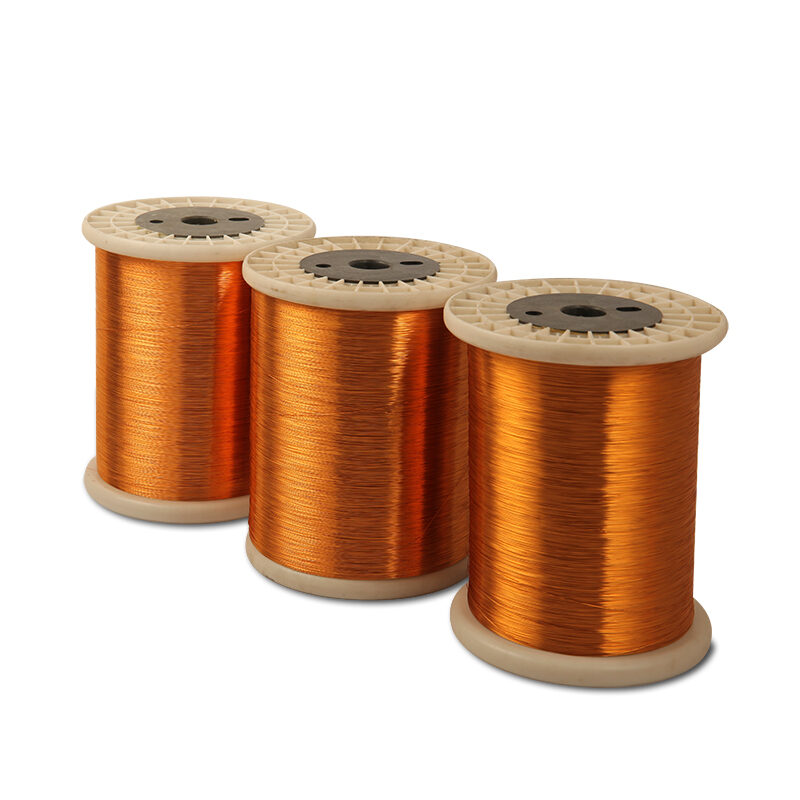
Wire we recommend for this application
Enquiry
Transformer winding quotation.
Include the conductor, diameter or flat size, temperature class, quantity and destination port.