Application
Wire for inductors, reactors and solenoids
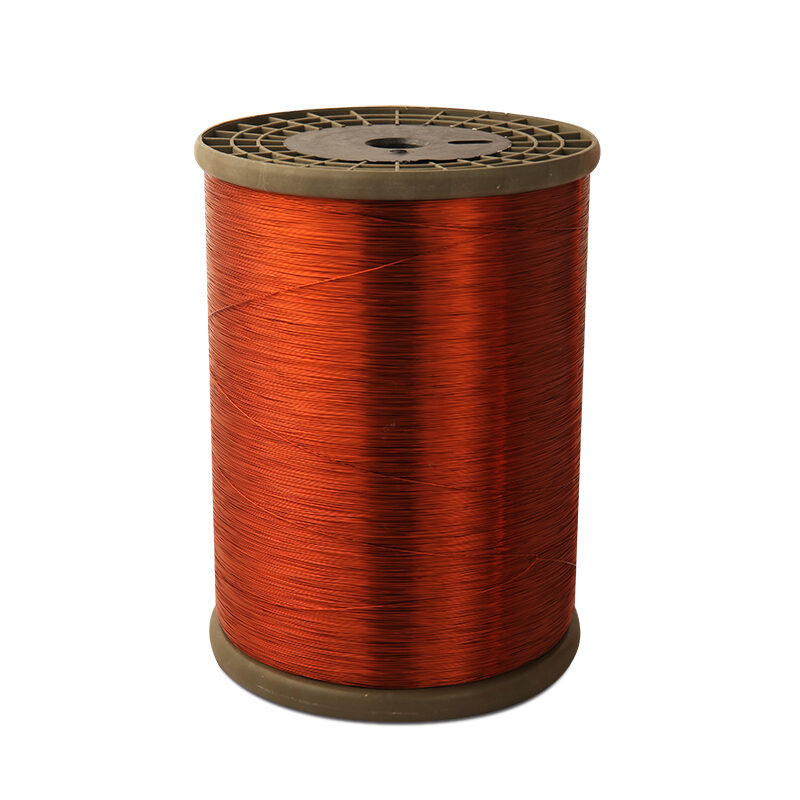
Inductors, chokes and solenoids are wound at high speed and often bonded in place. The wire has to be consistent in diameter and enamel build so inductance does not drift batch to batch, and it has to bond or impregnate without changing the core window.
Why this wire
What the application actually needs.
- Stable diameter toleranceTight diameter control keeps inductance repeatable across a winding run.
- Self-bonding optionsCurrent- and oven-bonding grades for coils that must not move after winding.
- Litz for high frequencyStranded constructions for skin-effect-sensitive inductors and wireless power coils.
- Solderable gradesUEW builds that solder through the enamel without stripping.
Typical specification
| Typical conductor | CCA · ETP copper · aluminium |
|---|---|
| Diameter range | 0.03 – 4.00 mm |
| Temperature class | 130 / 155 / 180 / 200 / 220 °C |
| Bonding | None · solvent · hot air · oven · current |
| Litz | Custom strand count and serve |
| Test standard | IEC 60317, NEMA MW 1000 |
Typical values. Final specification is confirmed on the quotation and the CoA.
Questions
Common questions from engineers.
Do you supply litz wire for high-frequency inductors?
Yes — stranded CCA and copper litz with custom strand counts, single or double serve, produced to drawing.
Can the wire be bonded after winding?
Self-bonding grades bond by hot air, oven, solvent or current, depending on the coil and the line.
Materials
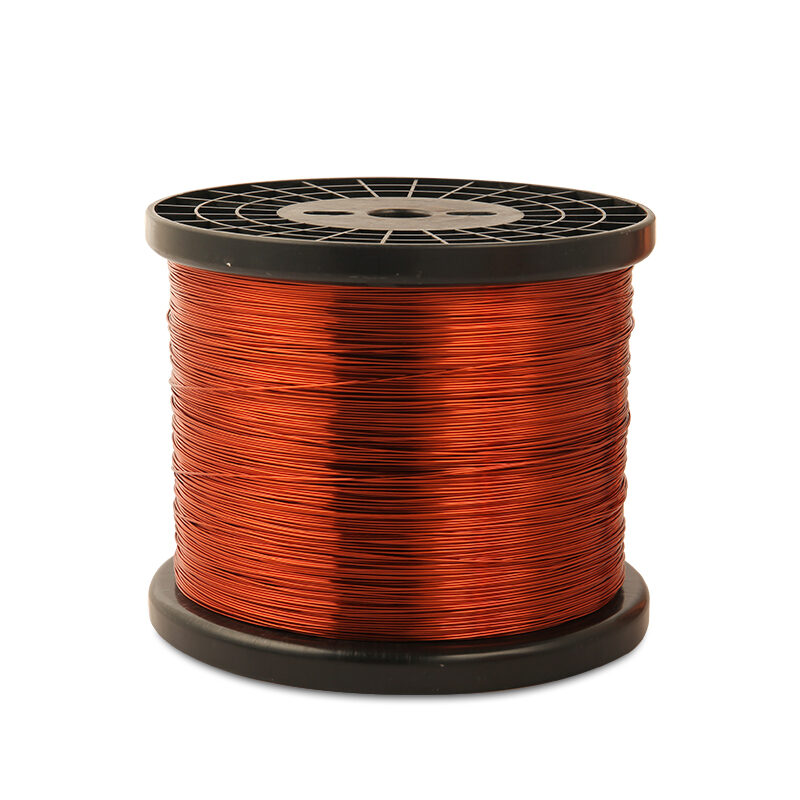
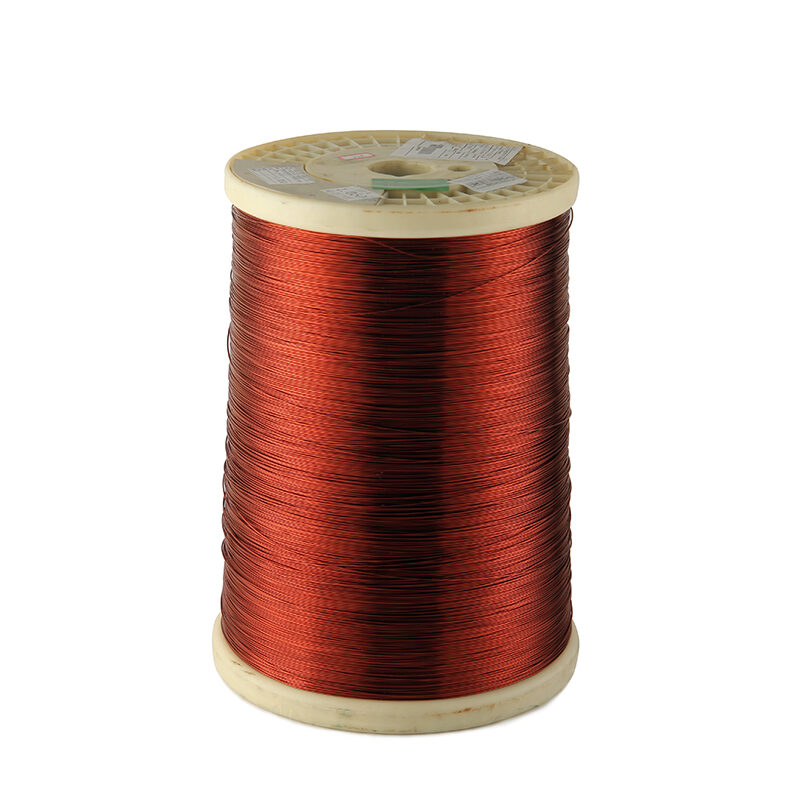
Wire we recommend for this application
Enquiry
Inductor & inductor coils quotation.
Include the conductor, diameter or flat size, temperature class, quantity and destination port.