Application
Self-bonding wire for voice coils
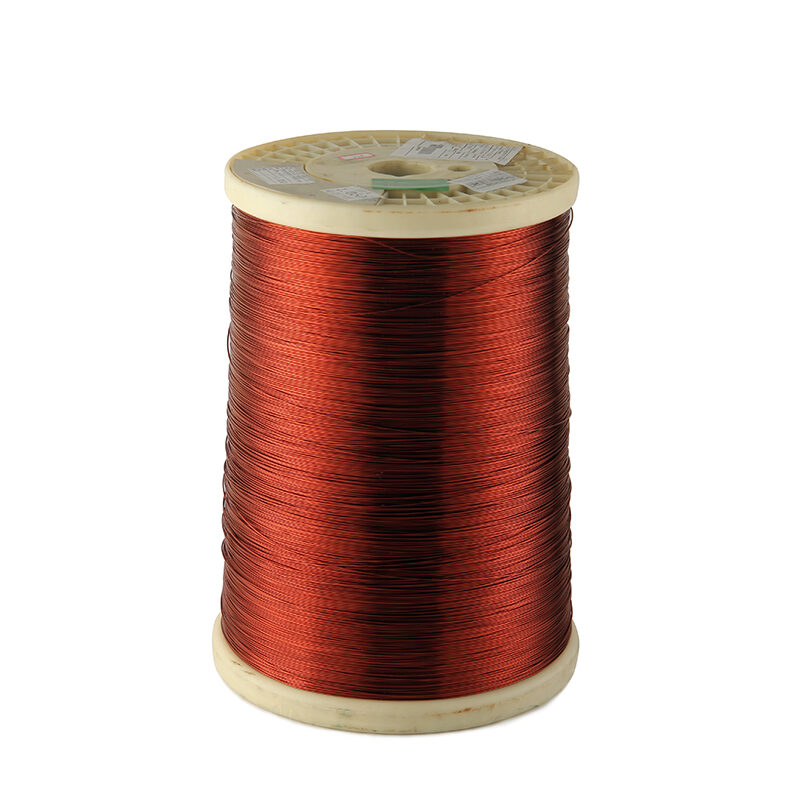
A voice coil is a winding that has to stay exactly where it was wound, at high temperature, in a moving assembly. Self-bonding enameled wire replaces varnish and bobbins with a thermoplastic bonding layer that is activated after winding — by hot air, oven, solvent or a current pulse — so the coil keeps its geometry and mass stays low.
Why this wire
What the application actually needs.
- Four bonding methodsHot air for speed, oven for complex coils, solvent for heat-sensitive parts, current for automated lines.
- Ultra-fine diametersFrom 0.03 mm, with consistent bond-layer thickness so impedance stays repeatable.
- CCA for mass reductionCopper-clad aluminium lowers moving mass in micro-speakers and receivers without changing the winding process.
- Bond strength on requestBonding temperature and layer weight are tuned to your bonding cycle, not to a catalogue default.
Typical specification
| Typical conductor | CCA · ETP copper |
|---|---|
| Diameter range | 0.03 – 0.60 mm |
| Bonding methods | Hot air · oven · solvent · current |
| Temperature class | 130 / 155 / 180 °C |
| Enamel base | UEW (QA) or PEW (QZ) + bonding layer |
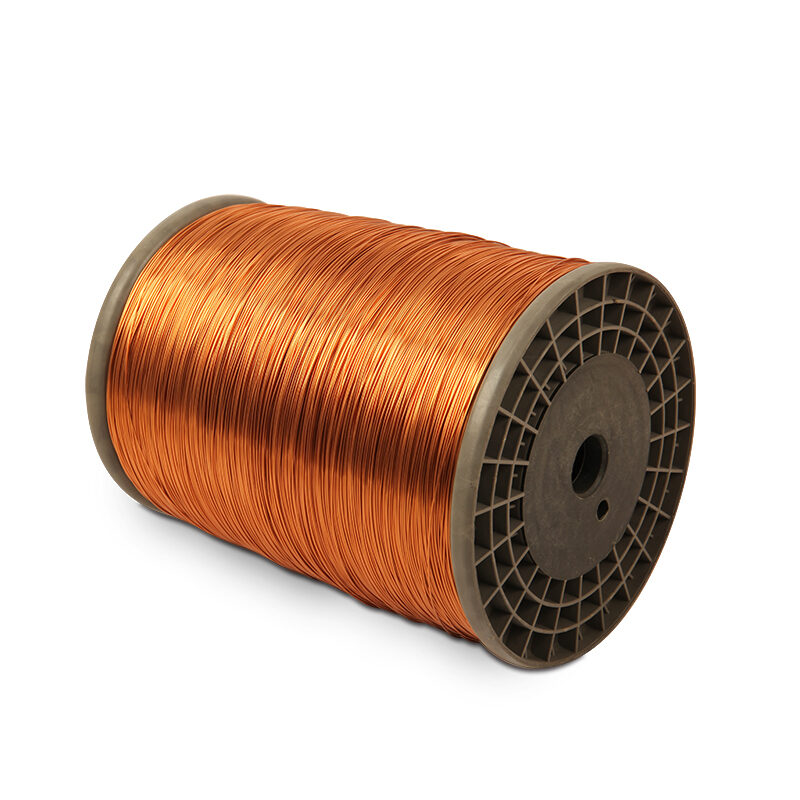
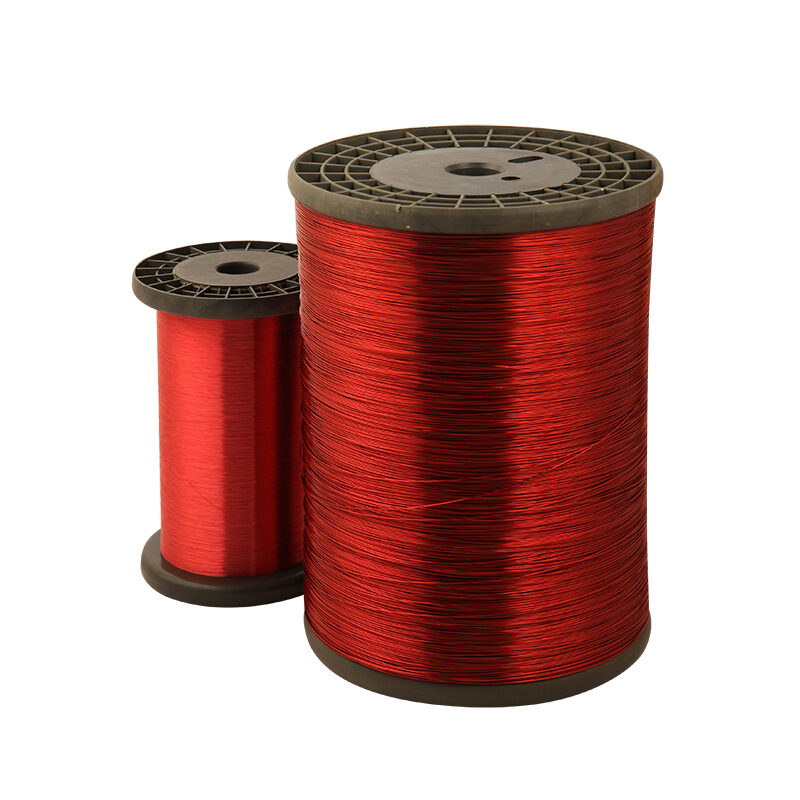
| Spool | Plastic spool, 1–10 kg, tail wire on request |
Typical values. Final specification is confirmed on the quotation and the CoA.
Questions
Common questions from engineers.
Which bonding method should a voice coil use?
Hot air is the fastest and most common for micro-speakers and receivers. Oven bonding suits larger or irregular coils where a jet cannot reach every layer; solvent bonding is used where the assembly cannot take heat.
Do you supply CCA voice coil wire?
Yes. CCA self-bonding wire is a standard product, typically 10 % or 15 % copper volume, from 0.05 mm.
Enquiry
Voice coil quotation.
Include the conductor, diameter or flat size, temperature class, quantity and destination port.